QVStamps Collector Library
← Contents

What Is Plating?

How collectors identify the plate from which a line-engraved stamp was printed.

Plating is the process of identifying which printing plate a stamp was printed from. It is one of the most rewarding aspects of Great Britain line-engraved collecting, combining careful observation with a degree of detective work.

Stamps are usually collected and catalogued by issue type, but each issue may have been printed from a great many different plates. The imperforate Penny Red, for example, was printed from 173 different plates. Plating allows collectors to look beyond the basic catalogue listing and identify which plate a stamp originated from.

Plating can also reveal surprisingly scarce stamps. While many plates are relatively common, others are genuinely rare and command substantial premiums. A stamp that appears ordinary at first glance may prove to be a much more significant find once its plate has been identified.

Why plating is needed

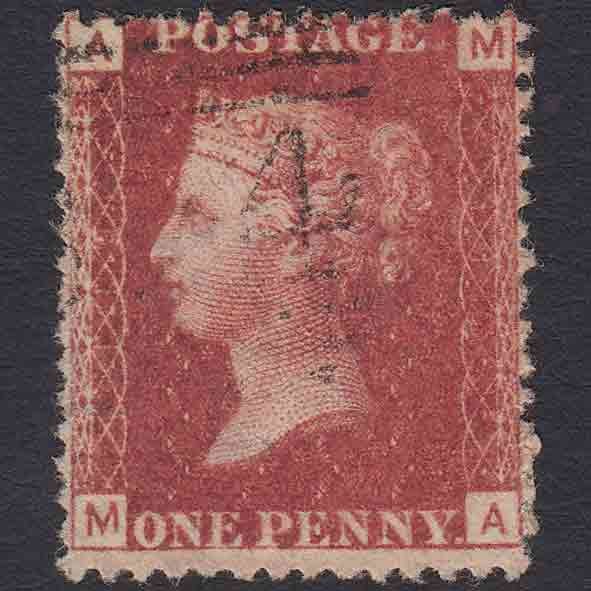
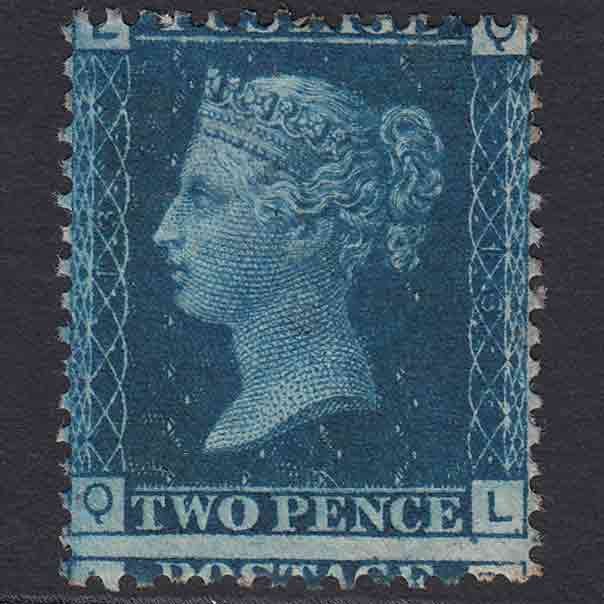
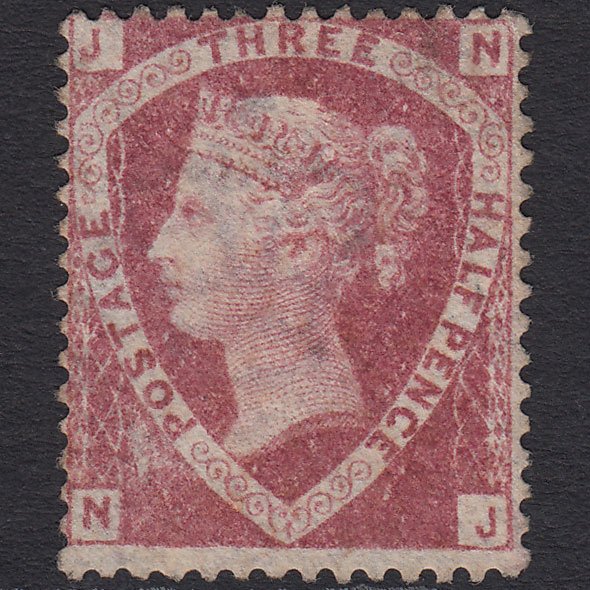
Later line-engraved issues incorporated the plate number into the stamp design, allowing the printing plate to be identified directly from the stamp itself.

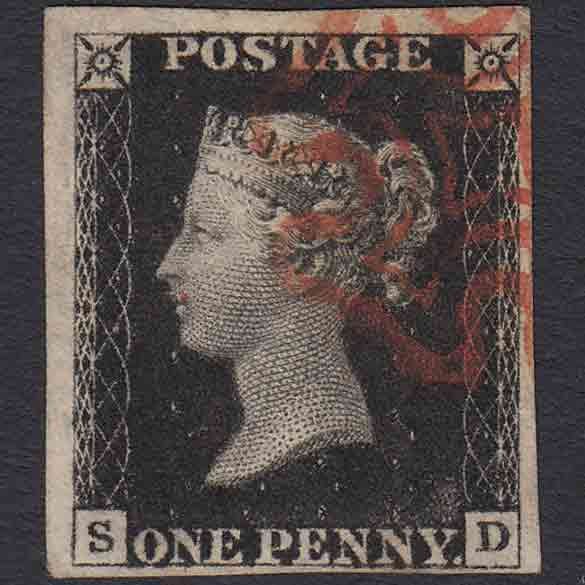
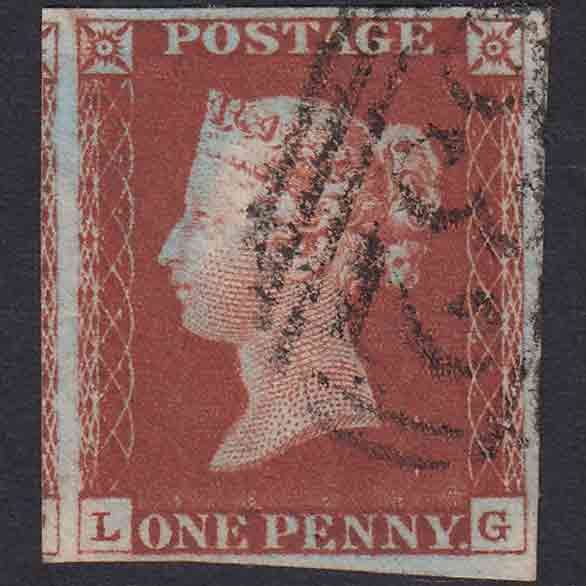
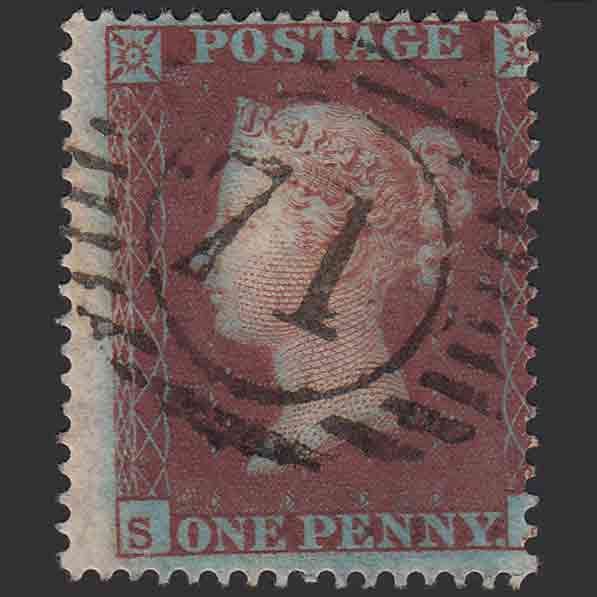
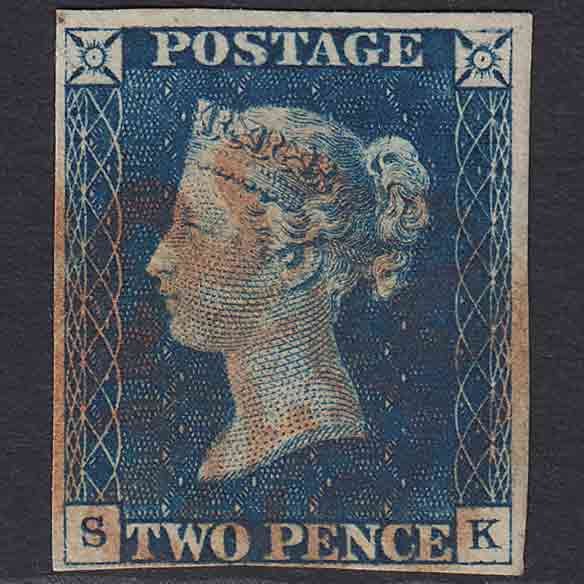
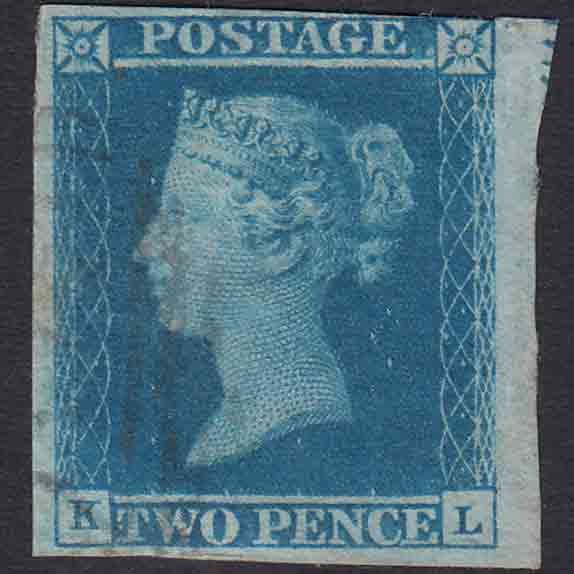
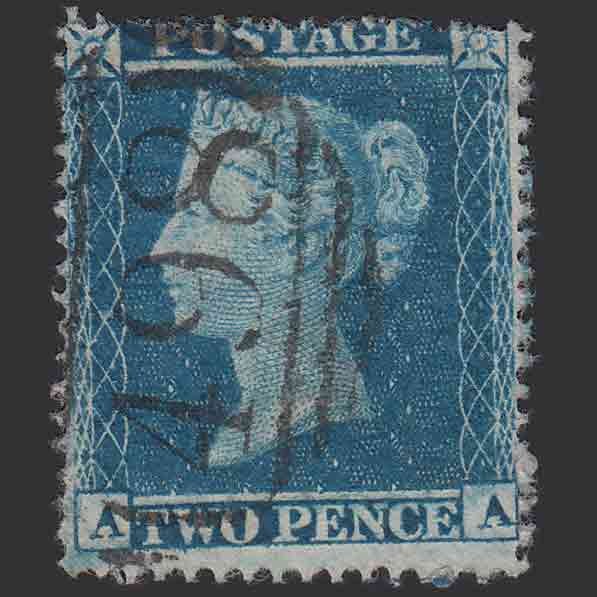
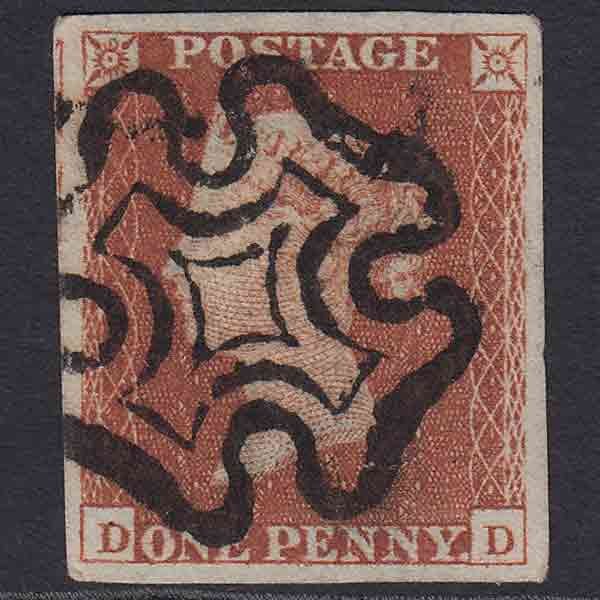
Earlier issues, such as the Penny Black, imperforate Penny Reds and the perforated star-corner issues, did not include the plate number as part of the design. For these stamps, collectors must rely on other characteristics to determine the plate from which a stamp was printed.

The 240 positions

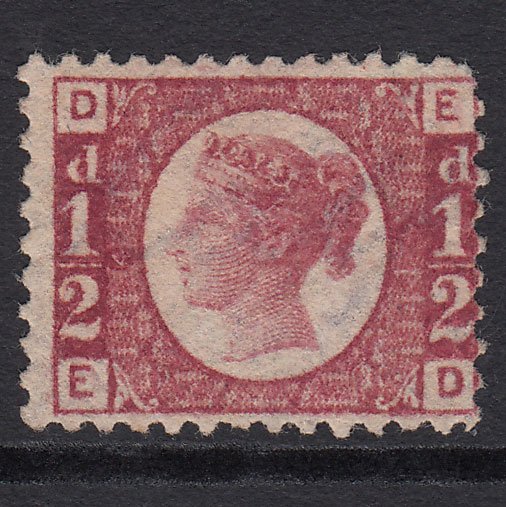
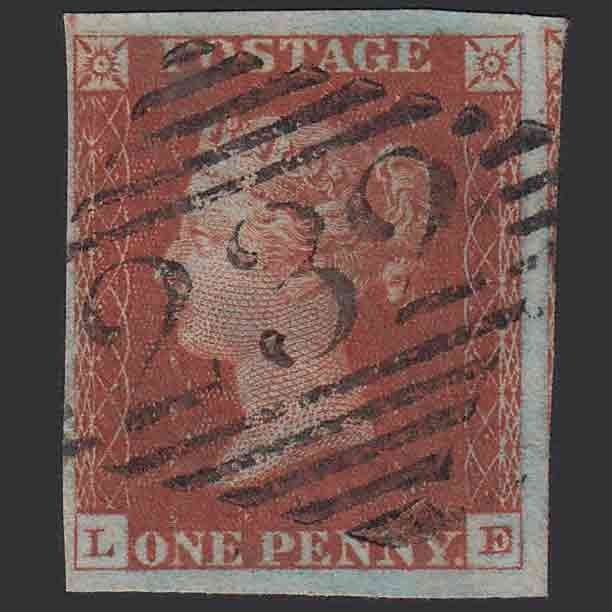
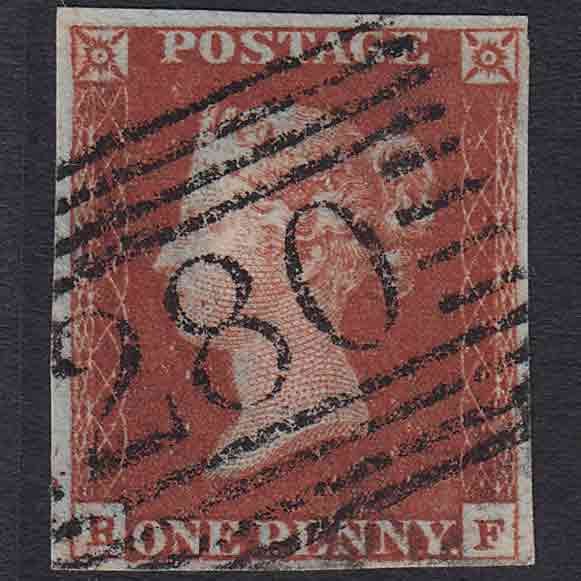
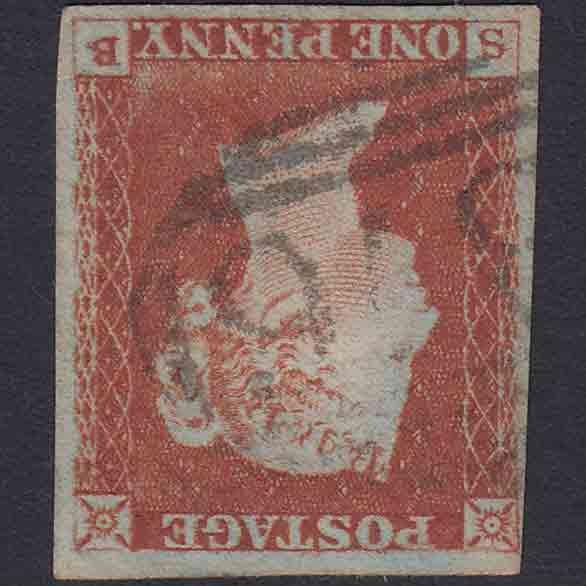
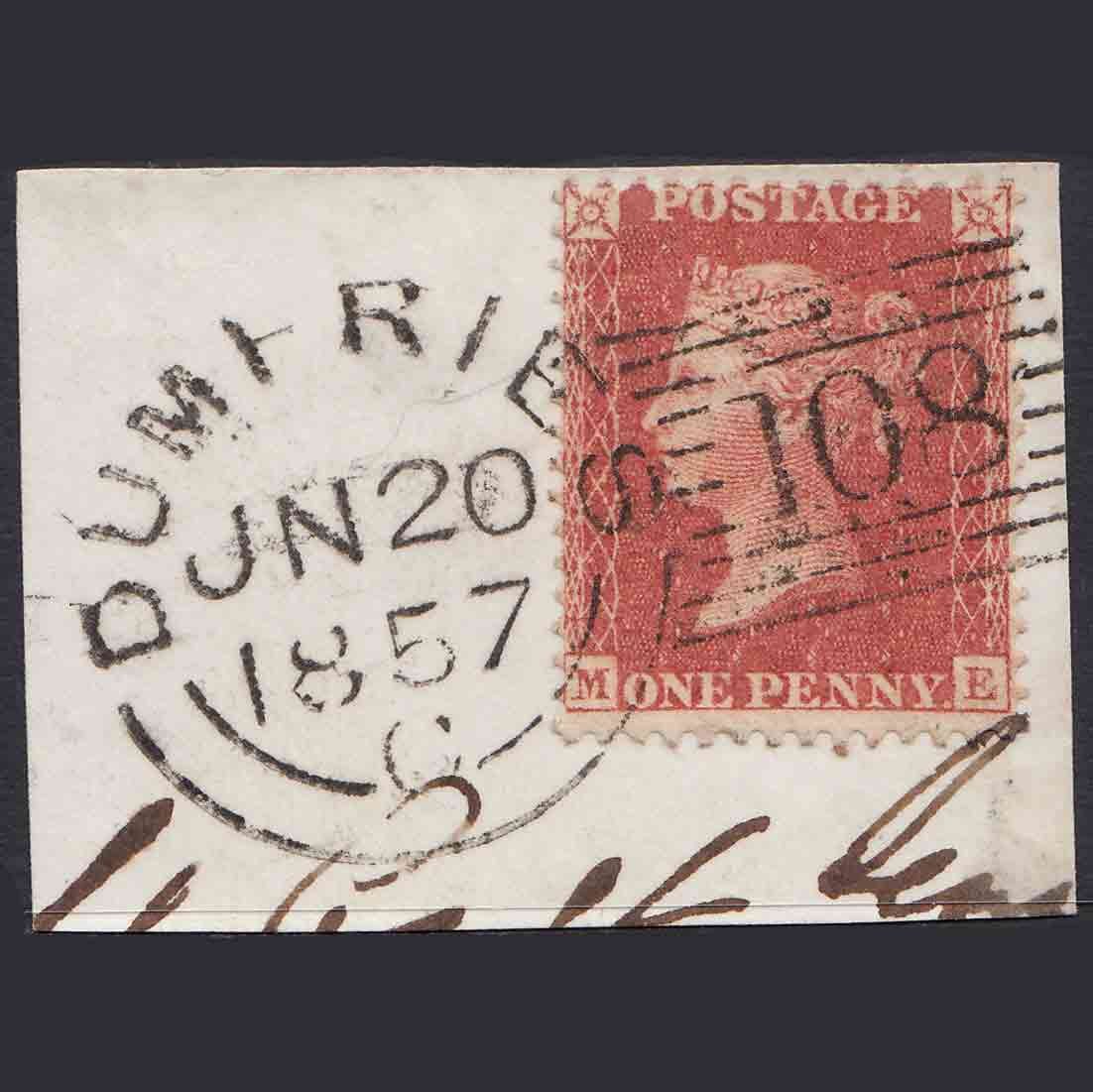
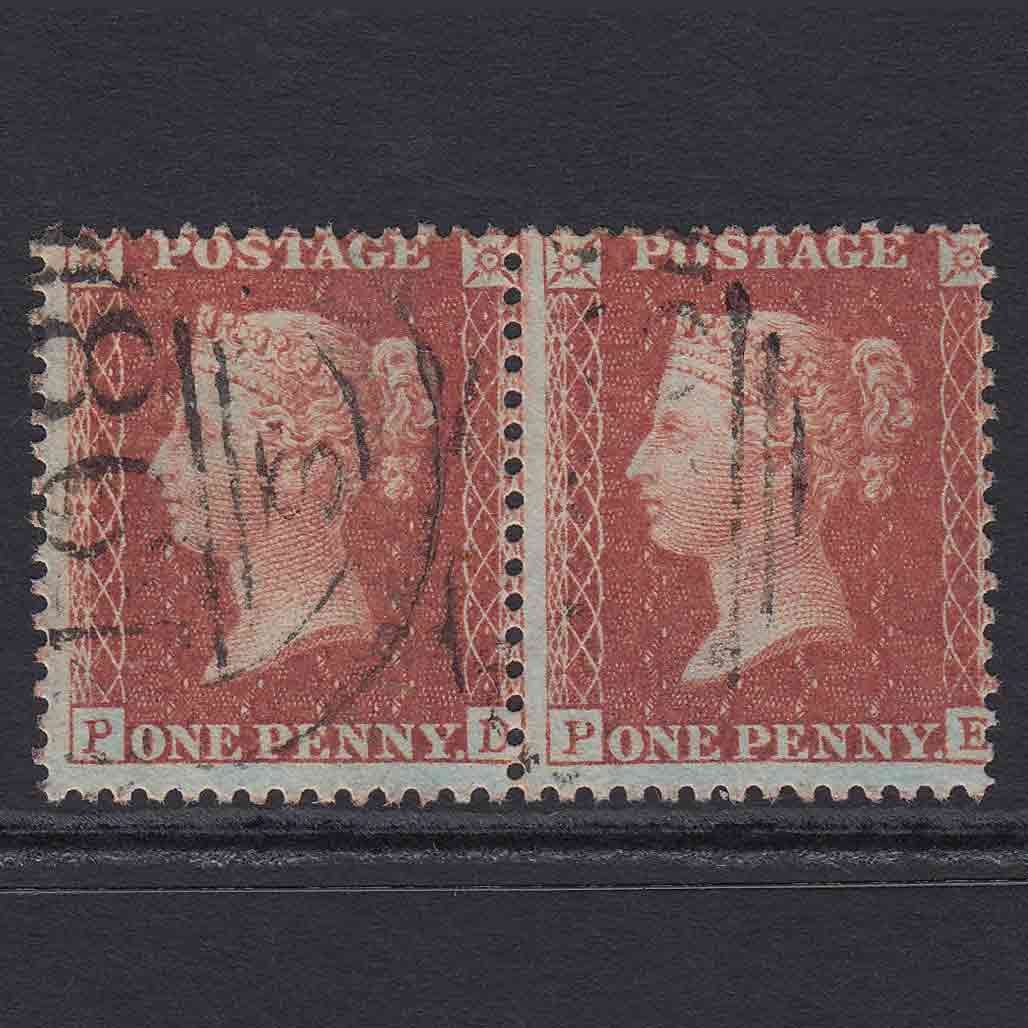
Queen Victoria 1d and 2d line-engraved sheets contained 240 stamps arranged in twenty rows of twelve. The corner letters identify the position on the sheet, beginning with AA and ending with TL.

AA AB AC AD AE AF AG AH AI AJ AK AL
BA BB BC BD BE BF BG BH BI BJ BK BL
...
TA TB TC TD TE TF TG TH TI TJ TK TL

Why plates differ

Although the basic stamp design was repeated from a transfer roller, every impression on the plate could acquire its own characteristics. These might include weak frame flaws, guide lines, re-entries, repairs or other constant marks.

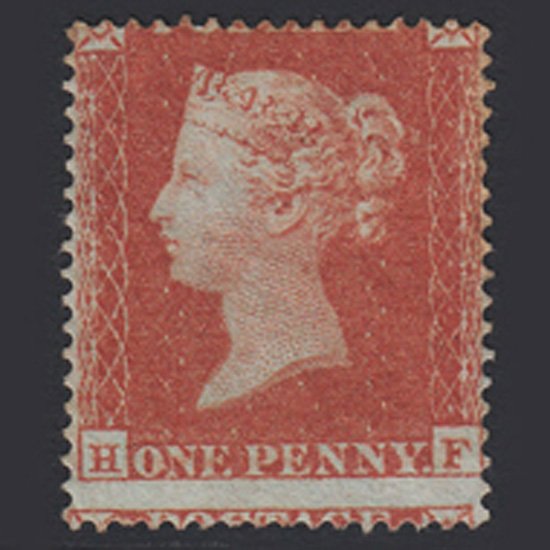
The position of the letters in the bottom corners is especially important. These were entered by hand when the plates were produced and their positions vary by plate. Small differences in the height, spacing, tilt or placement of the check letters can provide key evidence when identifying the plate from which a stamp was printed.

Imprimatur sheets

Before a new printing plate was put into normal production, a small number of sheets were printed and submitted for official approval. These are known as imprimatur sheets, from the Latin meaning "let it be printed".

Because they were produced before normal plate wear and later repairs occurred, imprimatur impressions often show the design in a clear and early state. They provide an important record of how the individual positions on a plate originally appeared.

Imprimatur sheets are especially valuable because they can be used as reference material. By comparing the position of the corner letters, the shape of the stars, the frame lines and other small details, it is often possible to match a stamp to a known plate position.

They are also useful because they show the plate before later wear, repairs and alterations took place. This helps explain why stamps from the same plate and lettering may sometimes appear different depending on when they were printed.

Plate states

As printing plates wore through use, individual positions sometimes developed flaws, weaknesses or damage. Rather than replacing the entire plate, printers often repaired the affected areas and returned the plate to service.

Collectors use the term state to describe the condition of a plate or position at a particular point in its life. A stamp may therefore have been printed before a repair took place, after a repair was completed, or at a stage when wear had altered the appearance of the plate.

Because repairs could alter the appearance of a stamp, the same plate and lettering combination may exist in more than one state. Identifying these states can provide valuable information about when a stamp was printed and how the plate evolved during its working life.

How stamps are plated

Plating is done by comparing the stamp with known plate characteristics. The corner letters are examined carefully, along with the frame lines, stars, check-letter squares, flaws, repairs and any useful postmark evidence.

The aim is to identify the plate from which the stamp was printed. In some cases, especially where detailed reference material is available, it may also be possible to match the stamp to a particular state of that plate.