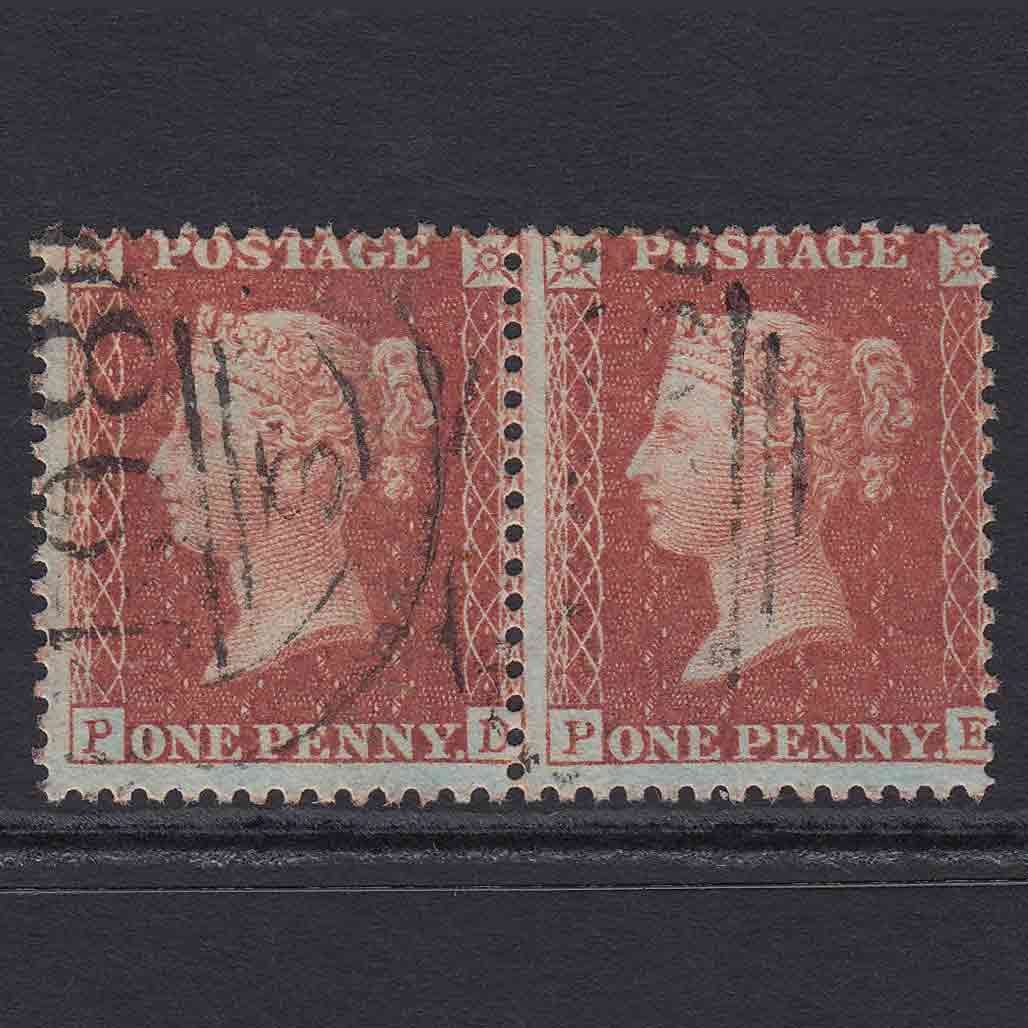
The line-engraved stamps of Queen Victoria were produced by a remarkable process that allowed thousands of sheets to be printed from carefully prepared steel plates. Understanding this process helps explain many of the features, flaws and varieties that collectors study today.
The master die
Production began with an engraved master die. This contained the basic design: Queen Victoria's head, the background engine-turning, the frame, corner ornaments and inscriptions. The die was the source from which later working tools were created.
The transfer roller
The master die was not used to print sheets directly. Instead, a soft steel roller was impressed from the die and then hardened. This roller carried the design in relief and could be used repeatedly to enter the stamp design into a printing plate.
Entering the plate
A printing plate was made by rocking the transfer roller into softened steel, one impression at a time. For the one penny and two pence line-engraved issues, a complete sheet contained 240 impressions arranged in twenty rows of twelve.
Corner letters
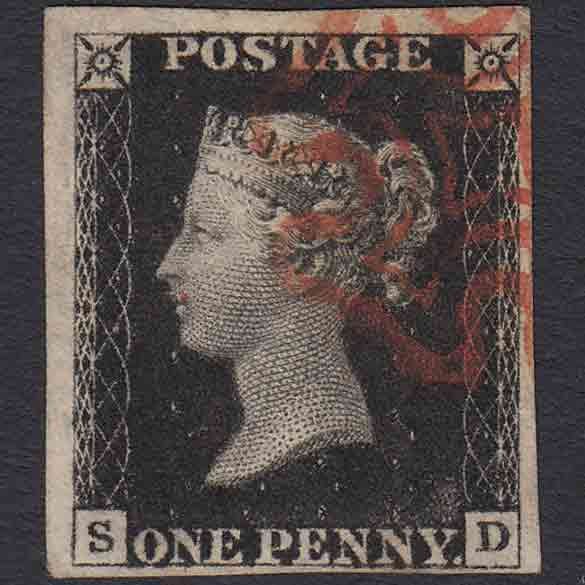
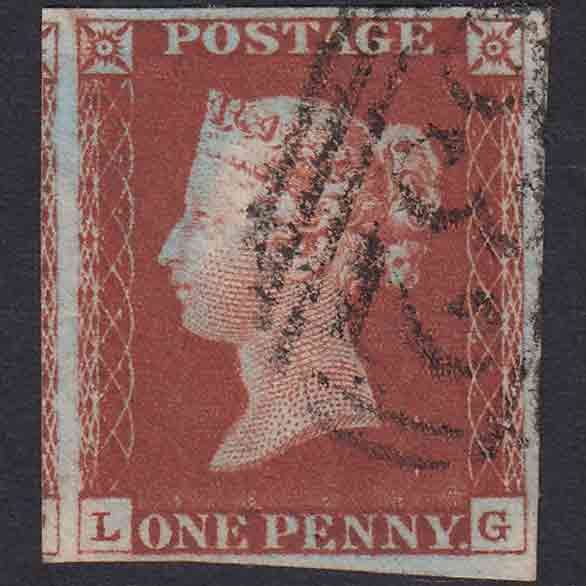
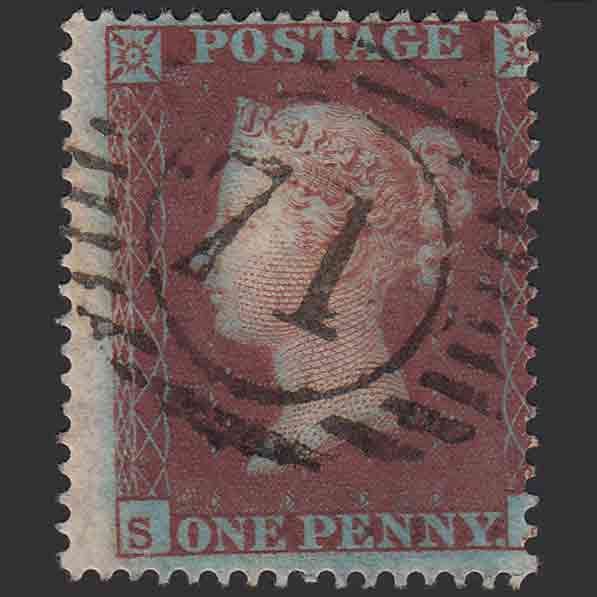
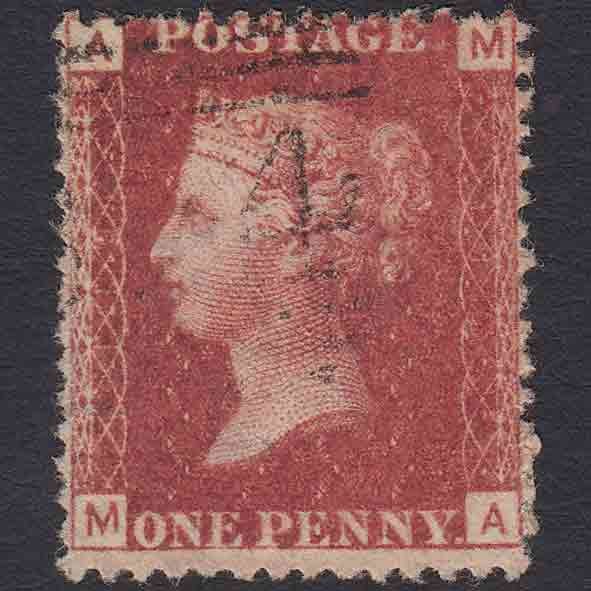
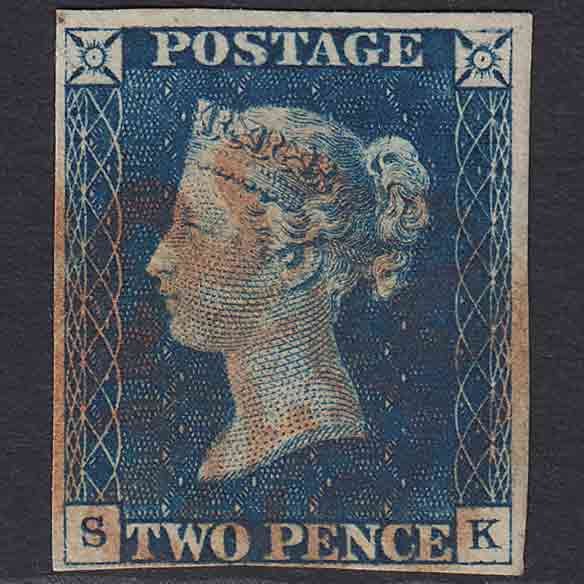
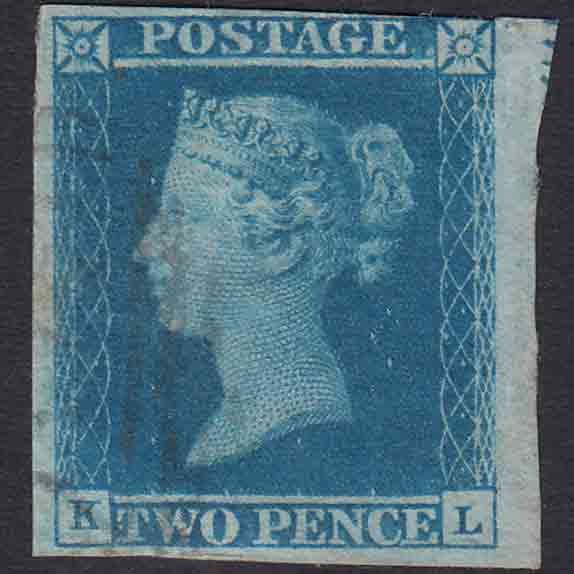
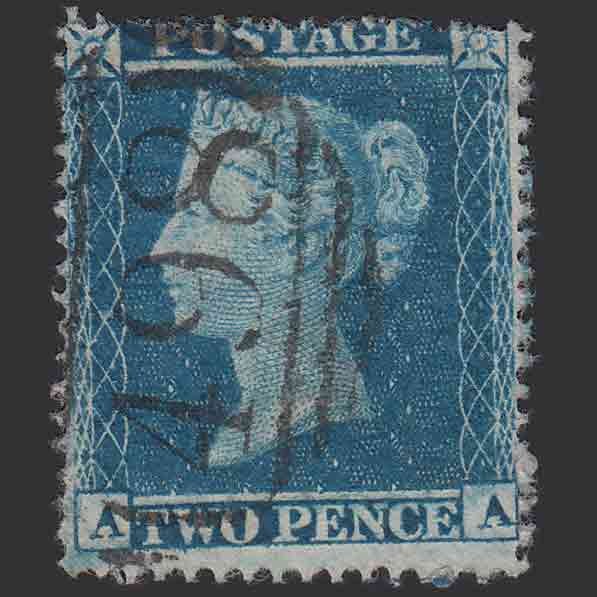
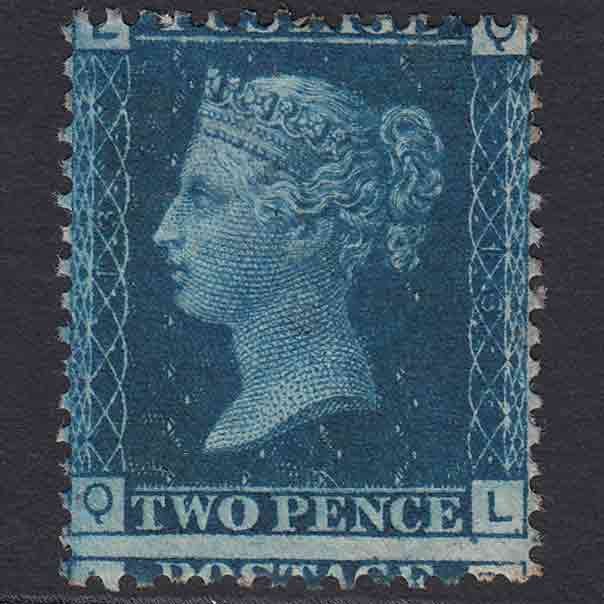
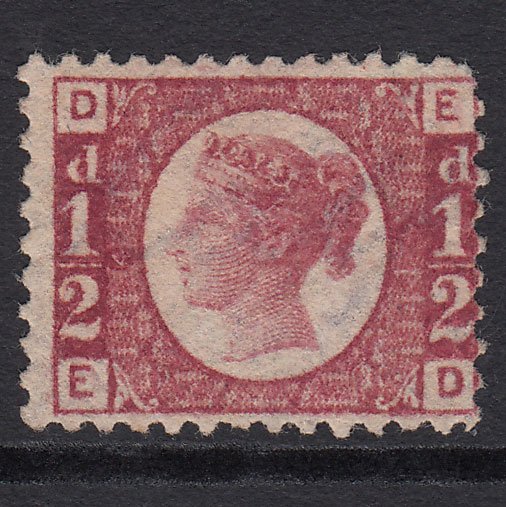
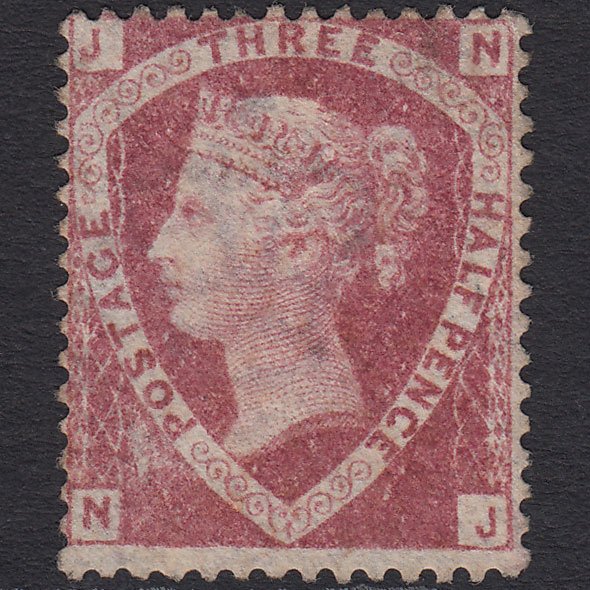
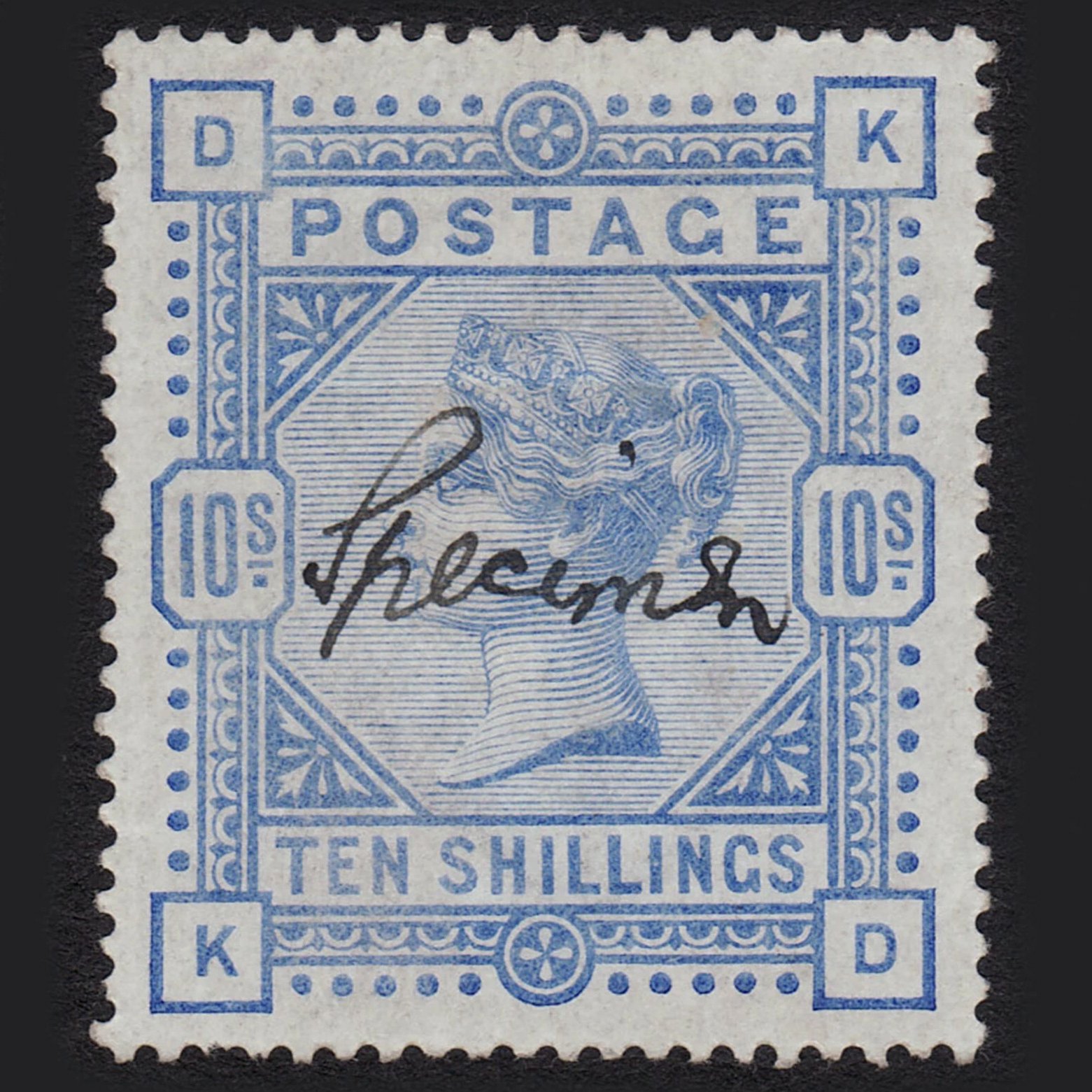
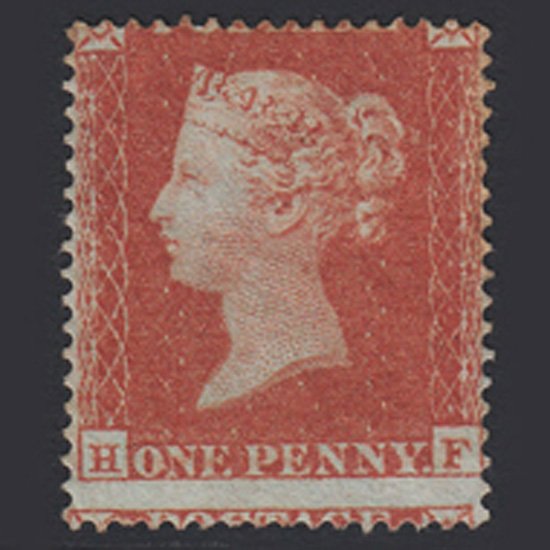
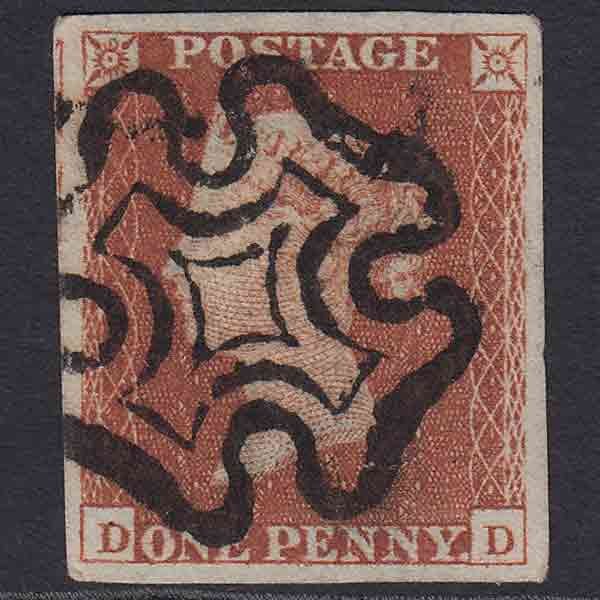
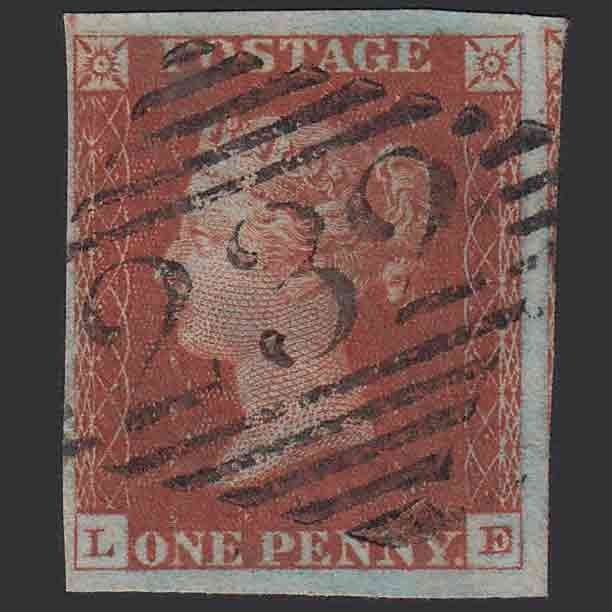
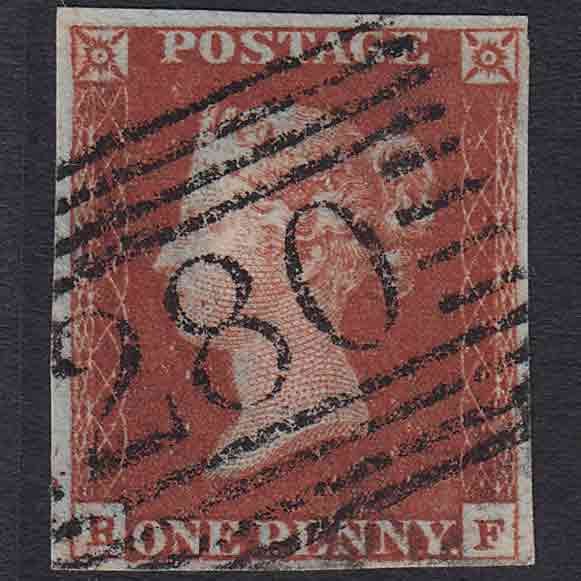
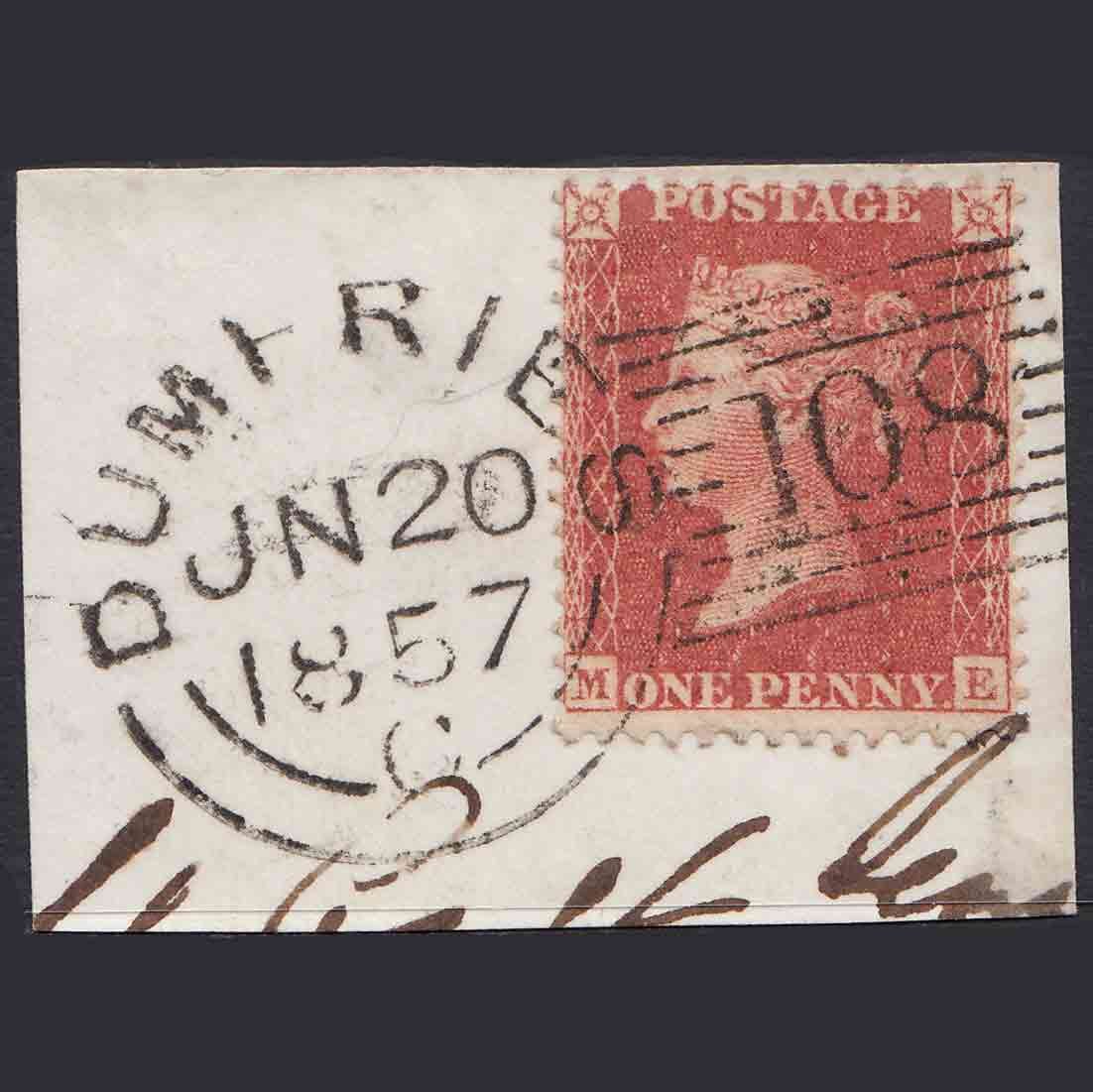
The corner letters were added separately to each impression using individual steel punches after the stamp design had been entered into the plate. Because the punches were applied by hand, the exact position of the letters within the corner squares could vary considerably. Letters may appear high, low, left or right of centre, and can sometimes be slightly tilted. Variations in the angle of the punch and the force of the strike could also affect the appearance of the finished letter, producing differences in depth, thickness and sharpness. These subtle characteristics are often useful when studying and plating individual stamps.
The letter punches themselves changed over time. New sets of punches were introduced as older punches became worn, damaged or obsolete, resulting in a number of distinct alphabet styles being found on the line-engraved issues. Differences can be seen in the shape, size and proportions of individual letters, with some alphabets having noticeably heavier or more decorative characters than others. These alphabet types help to identify plates.
Hardening the Plate
Once all impressions and corner letters had been entered, the completed plate was hardened before being used for printing. This increased the durability of the steel and allowed the plate to withstand the considerable pressures involved in recess printing. Even so, prolonged use gradually caused wear, leading to weakening of fine details and, in some cases, later repairs.
Paper and Watermarks
The paper used for the line-engraved stamps was manufactured separately before being supplied to Perkins Bacon for printing. To provide an additional security feature and help deter forgery, the paper was produced with a watermark incorporated during manufacture.
Watermarks were created by attaching wire designs to the papermaking mould. As the paper pulp settled, the fibres were slightly thinner over these raised wires, creating a design that became visible when the finished paper was viewed against a light source. During the line-engraved period several watermark types were used, including the Small Crown and Large Crown watermarks familiar to collectors today.
Watermarks remain an important aid to identification and can often help distinguish between otherwise similar stamp issues.
Printing the Stamps
Before printing, the sheets of paper were dampened to make them softer and more receptive to the engraved design. Damp paper could be forced more effectively into the fine recessed lines of the printing plate, allowing even the smallest details to be reproduced clearly.
The printing plate was carefully inked and then wiped clean so that ink remained only within the engraved recesses. A damp sheet of paper was placed over the plate and passed through a high-pressure printing press. The pressure forced the paper into the ink-filled recesses, transferring the design to the paper and producing the characteristic sharp appearance of recess-printed stamps.
After printing, the sheets were removed, dried and inspected before moving on to later stages of production. The considerable pressure used during printing often left a slight embossed effect, known as plate relief, which can still be seen on many well-preserved examples today.
Applying the Gum
Once the printed sheets had been dried and inspected, a layer of gum was applied to the reverse. This gum allowed the stamps to be affixed to letters when moistened and was an essential part of the finished product.
The gum was applied to complete sheets rather than individual stamps. Care had to be taken to ensure an even coating, as excessive gum could cause the paper to curl or crack, while insufficient gum could affect adhesion. Variations in the application, composition and ageing of the gum can still be observed on surviving unused stamps today.
After gumming, the sheets were allowed to dry before moving to the final stages of production. Depending on the period and issue, these later stages could include perforation, cutting, inspection and preparation for distribution to post offices throughout the country.
Plate wear and repairs
Printing gradually wore the plate. Fine lines weakened, corner letters became less clear and parts of the design could lose sharpness. Rather than always making a new plate, printers often repaired individual impressions.
Re-entries
A re-entry occurred when the transfer roller was used again to strengthen an existing impression. If the roller was not aligned perfectly, parts of the design could appear doubled or thickened. These marks are now important clues for specialists.
Transfer roller lines
A transfer roller line is a line associated with the use of the roller during plate repair or entry. Such lines are not part of the original stamp design, but they can provide valuable evidence about the condition and state of the plate.
Why this matters
Much of the fascination of line-engraved collecting comes from these production details. Plate wear, repairs, re-entries, lettering and small constant flaws can all help identify where and how a stamp was produced.